Why a Recovery and Repair Balm Belongs in Your Wellness Routine
After a long run, a tough gym session, or even just a day spent on your feet, your muscles and skin can feel the strain. I have spent years experimenting with different topicals, from thick creams to greasy oils, looking for something that actually speeds up the process of feeling human again. What I have found is that a well-formulated recovery and repair balm does more than just soothe. It changes how you approach aftercare entirely.
The idea of using a balm for recovery is not new. Traditional cultures have relied on plant-based salves for generations. But the modern version, especially one that combines hemp-derived CBD with familiar ingredients like shea butter and coconut oil, takes the concept further. It addresses both the internal sensation of localized discomfort and the external need for skin repair.
What Makes a Balm Different from a Lotion or Cream
Most lotions are mostly water. They feel light but evaporate quickly, and their effects rarely last beyond a few hours. Creams sit somewhere in the middle, they offer more moisture than a lotion but still rely on a high water content that dilutes active ingredients. A balm, by contrast, is an anhydrous preparation. That means no water. It is a concentrated blend of oils, butters, and waxes that stays on the skin longer and delivers its payload over time.
When I switched to a recovery and repair balm, I noticed the difference immediately. The texture is dense and waxy, melting on contact with body heat. It does not get absorbed in a minute and vanish. It sits there, working, for hours. That sustained contact matters when you are trying to calm inflammation or support muscle recovery after a strain.
CBD and Cannabinoids in Topical Form
CBD, short for cannabidiol, is one of over a hundred cannabinoids found in hemp. When applied topically, it interacts with the endocannabinoid system in your skin, a network of receptors that help regulate pain, inflammation, and cell turnover. This is not the same as ingesting CBD oil or a tincture. Topical application targets a specific area without going through your digestive system or liver. The result is faster, more localized relief.
I have used CBD topicals for years, and the key variable is always the base. A thin lotion with CBD might feel nice, but a balm holds the cannabinoids against the skin longer. That extra contact time gives the CBD more opportunity to penetrate the outer layer of skin and reach the underlying tissues. In that sense, a recovery and repair balm is not just a carrier, it is an active part of the delivery system.
The Role of Carrier Ingredients
Not all balms are created equal. The ingredients that carry the CBD are just as important as the CBD itself. Shea butter, for example, is rich in vitamins A and E, both of which support skin repair. Coconut oil penetrates the skin easily and brings its own anti-inflammatory properties. Essential oils like lavender and peppermint do more than scent the product, they provide their own therapeutic effects. Peppermint has a cooling sensation that can distract from discomfort, while lavender is widely recognized for its calming, stress-reducing properties.
A good balm also includes Epsom salt in some formulations. Epsom salt is magnesium sulfate, and it has been used for decades in baths to ease sore muscles. When combined with CBD and essential oils in a balm, it adds another layer of targeted relief. You get the muscle-soothing benefits of magnesium along with the cannabinoid-driven modulation of discomfort.
Practical Application: When and How to Use It
I keep a tin of recovery and repair balm in my gym bag and another next to my bed. After a workout, I warm a pea-sized amount between my fingers and massage it into my shoulders, knees, or lower back, anywhere that feels tight or overworked. The balm does not drip or run, so I can apply it directly without making a mess. Within a few minutes, the sensation shifts from raw discomfort to a deep, steady warmth.
For skin repair, I apply it to dry patches, minor scrapes, or areas where my skin has been chafed by gear or clothing. The shea butter and coconut oil restore the skin barrier, while the CBD helps calm any redness or irritation. It works as a daily maintenance tool, not just a post-injury fix.
Bath Bombs as a Complementary Tool
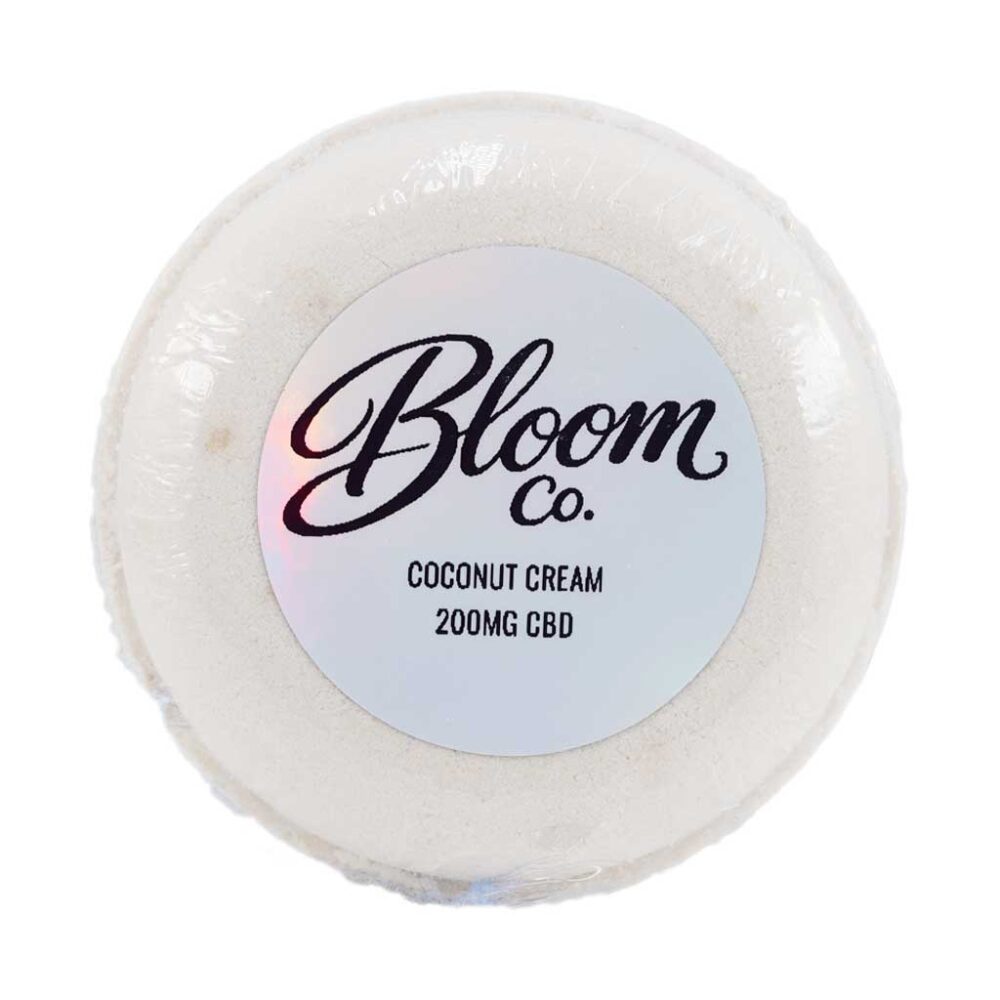
Bath bombs are another way to get the benefits of CBD and essential oils, but they work differently. A bath bomb disperses its ingredients into the water, so your whole body gets exposed. That is great for systemic relaxation and for soaking tired muscles. I use a CBD bath bomb from Kush Station on rest days or before bed. It turns the bath into a full-body soak with Epsom salt, essential oils, and cannabinoids all working together.
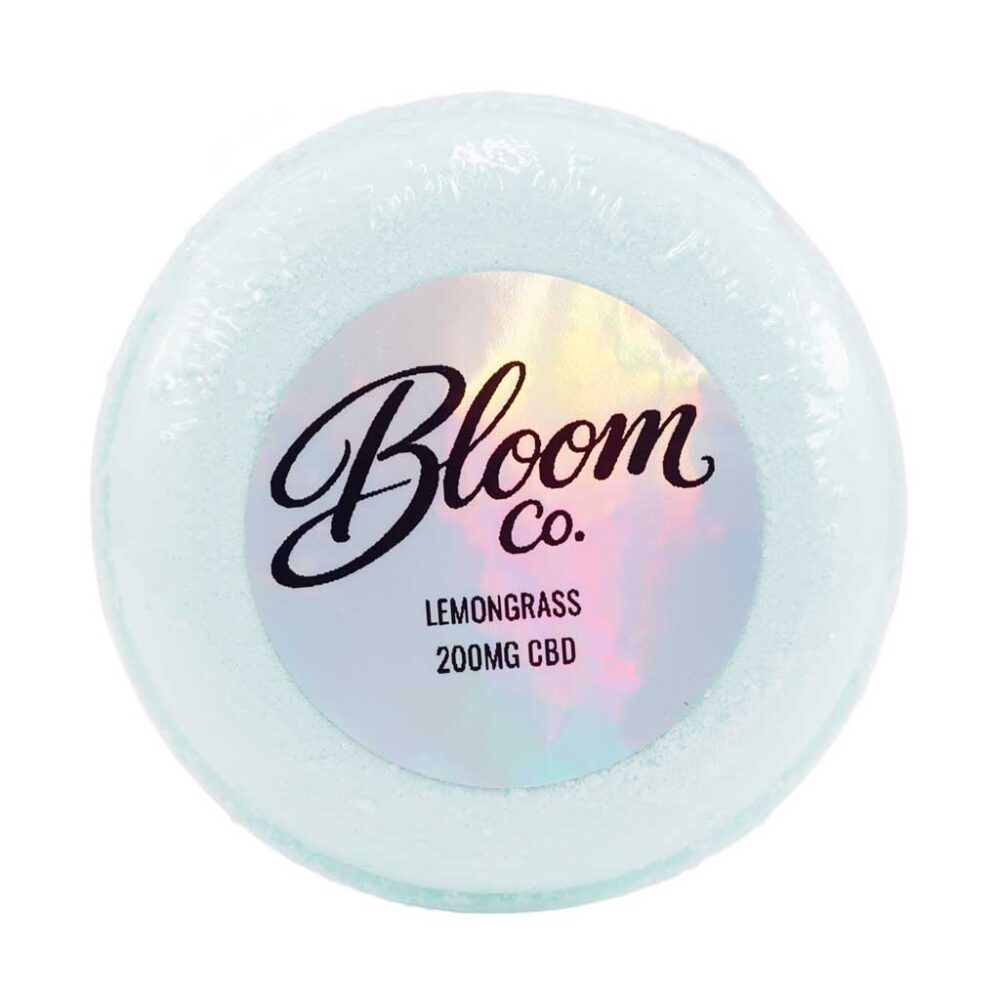
But a bath bomb cannot replace a balm for targeted aftercare. The balm stays where you put it. For a pulled hamstring or a knot in your shoulder blade, the balm is more effective because it delivers a higher concentration of active ingredients directly to the spot. The bath bomb sets the stage; the balm finishes the job.
What to Look for in a Quality Balm
Not every product labeled as a recovery or repair balm will perform the same. Here are a few things I have learned to check:
- Third-party lab testing for CBD potency and purity. You want to know exactly how much CBD is in each gram of balm.
- A short ingredient list with recognizable components. Avoid balms with synthetic fragrances, parabens, or mineral oil.
- A high concentration of active ingredients. If shea butter or coconut oil is near the bottom of the list, the balm is mostly filler wax.
- Full-spectrum hemp extract or broad-spectrum CBD. These contain additional cannabinoids that work synergistically with CBD.
- Clear storage instructions. Balms can soften in heat; a good one will still hold its shape at room temperature but melt on skin contact.
I also look for brands that are transparent about their sourcing. Kush Station, for example, lists the origin of their hemp and the type of extraction used. That level of detail matters because the quality of the starting material directly affects how well the balm works.
Integrating Balm into a Broader Wellness Practice
Using a recovery and repair balm is not a standalone cure. It works best as part of an overall approach that includes proper hydration, rest, and movement. I use it after stretching, not before. I pair it with a warm bath when I can. And I pay attention to how my body responds, sometimes I need more balm on a particular joint, sometimes less on a day when my skin is already well-hydrated.
The balm also serves as a kind of ritual. Taking a few minutes to massage a balm into sore areas forces you to slow down and check in with your body. That mindfulness alone can reduce the perception of discomfort. It sounds simple, but it works.
For anyone new to CBD topicals, a balm is a good place to start. It is forgiving to apply, lasts a long time, and gives you clear feedback about whether the format suits your needs. If it does, you can explore other products like CBD bath bombs or oils. If it does not, you have not invested in a whole system, just a single tin.
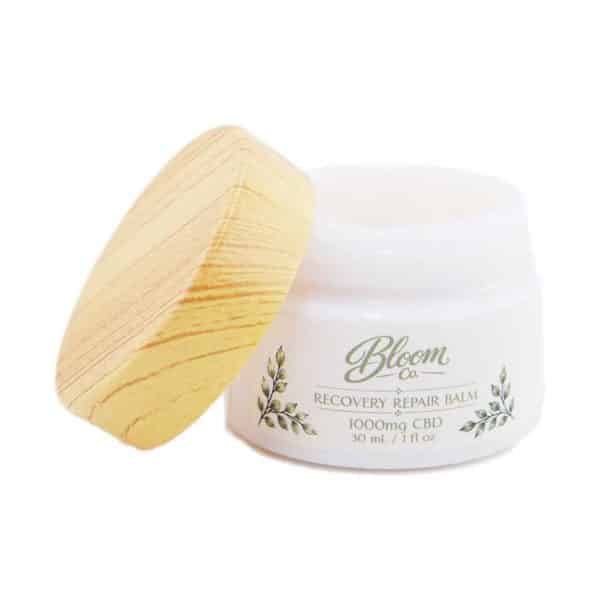
Over the years, I have tried dozens of products for muscle recovery and skin repair. The ones that earn a permanent spot in my routine are the ones that deliver real, noticeable relief without making my day more complicated. A well-made recovery and repair balm does exactly that. It simplifies aftercare, supports the body's natural healing processes, and fits into a busy schedule without extra effort.
Whether you are an athlete, a weekend gardener, or someone dealing with daily aches from desk work, a balm like this can make a difference. The key is choosing one with quality ingredients, using it consistently, and letting the combination of CBD, essential oils, and traditional botanicals do the work they were meant to do.